
“Spanish FIESTA”:
3 May 2026 in Tallinn Mustpeade House at 17
16 May Riga Museum of the History of Riga at 17.00

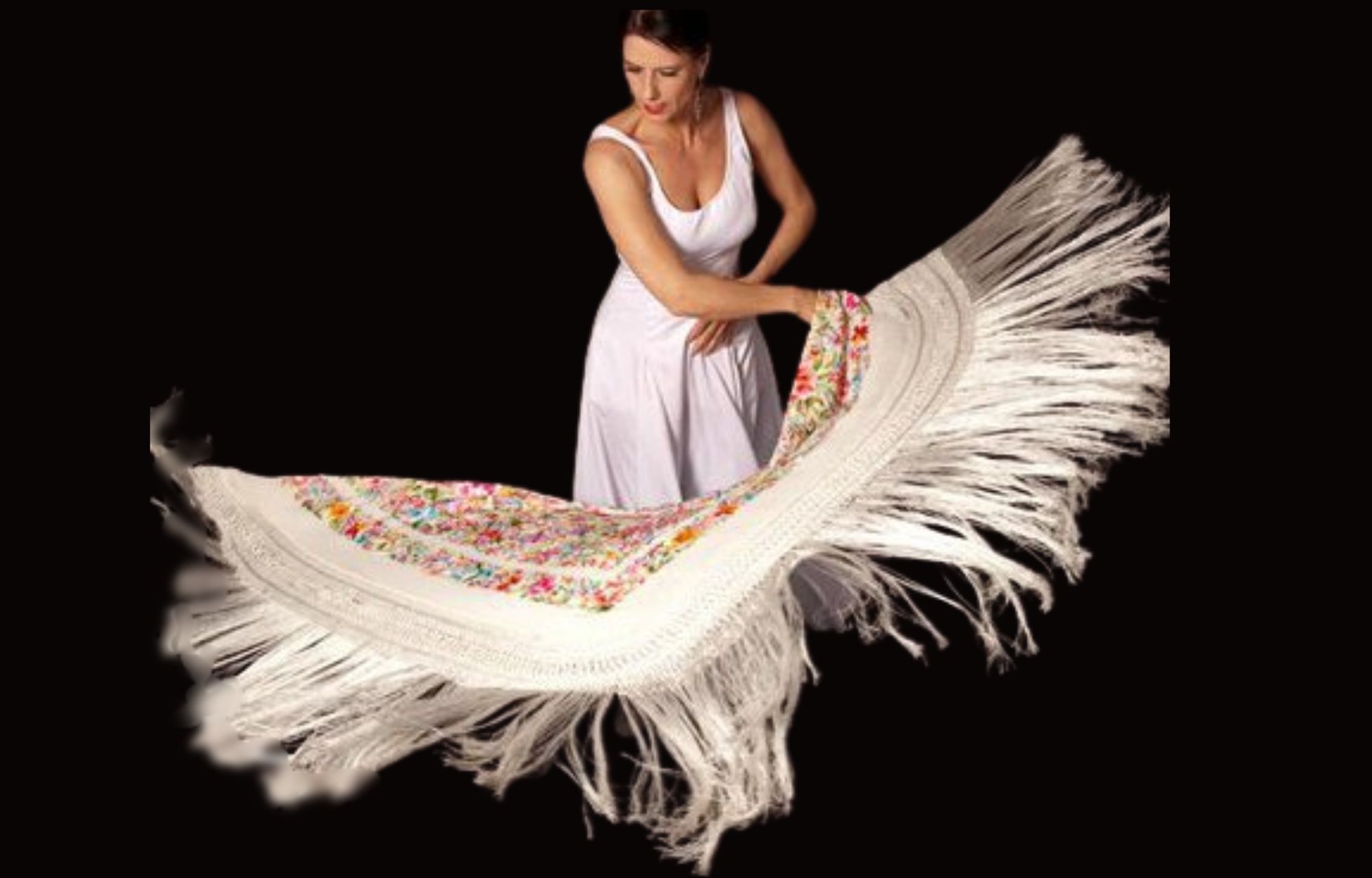
Concert "Spanish FIESTA"
Would like to be in sunny Spain in no time? Easy! 💃💃
We will plunge into the sunny ardent world of Spanish music and dance, accompanied by the beats of castanets and heels!
You will hear arrangements of old Spanish folk songs, romances, and arias from famous zarzuelas, and discover what the Spanish people sang and sing about, what makes them cry, and what brings them joy.
Special guest of the evening: flamenco guitar player – Grigori Rubanov.
Let’s light it up in Spanish style! 💃
Special guest of the evening: Grigori Rubanov. 🎸

Programme
 “The Four Muleteers” – Los cuatro muleros
arranged by Manuel de Falla y Matheu (1876–1946) with lyrics by Federico García Lorca.
This is a traditional Andalusian folk song, rich in regional color. The piano accompaniment vividly evokes the feeling of riding in a cart over uneven ground — a brilliant musical touch that brings the landscape to life.
 “Con amores, la mi madre”
This song is a tender address to a mother — to her boundless love that soothes all things, including the sorrow of her daughter’s lost love.
The lyrics are based on a poem by Juan de Anchieta, a Basque poet of the 15th century and one of the early figures of Spanish Renaissance music. The piano accompaniment gently evokes the rocking motion of a chair, reinforcing the song’s mood of warmth and quiet solace.
“Seven Spanish Folksongs” by Manuel de Falla
In this celebrated song cycle, Manuel de Falla showcases the rich musical heritage of Spain, drawing on folk traditions from different regions. Each song represents a distinct genre and style, offering a colorful glimpse into the country’s cultural diversity.
The cycle originated from a request by a singer from Málaga, who asked the composer to suggest some pieces for a recital. Inspired by several traditional melodies, Falla decided to arrange them for voice and piano, giving them new life through his refined musical language.
“The Moorish Shawl” – El Paño Moruno by Manuel de Falla
It’s unclear what truly stirs in the heart of the young woman singing this song — she speaks of a shawl ruined by a stain and therefore sold for a lower price. Is she really talking about the shawl, or is there a hidden sorrow beneath her words?
The melody is fast-paced, with a rapid vocal line. The accompaniment remains bright and sunlit, almost dance-like — it’s hard to believe such emotional complexity hides beneath such lively music.
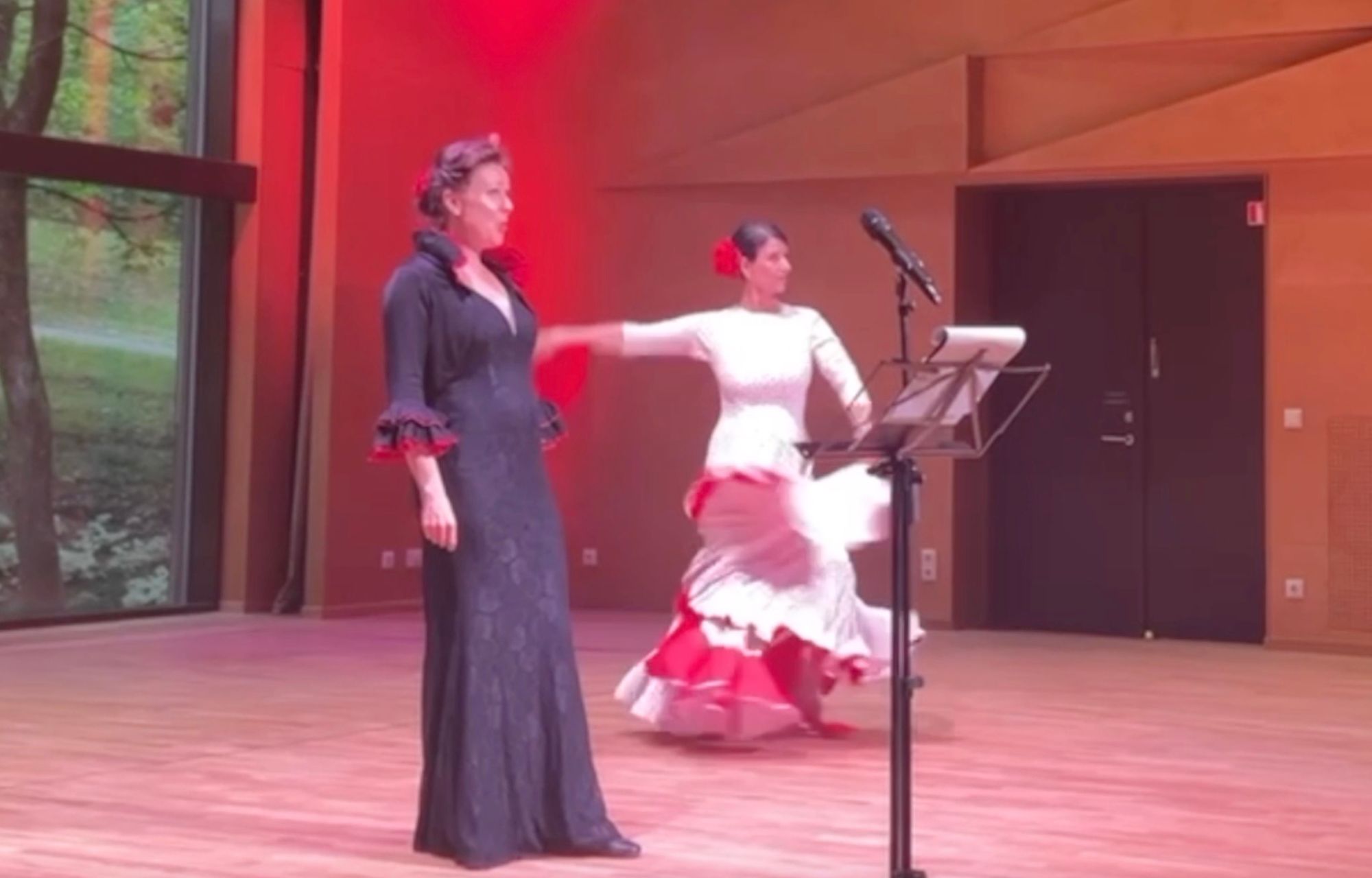
This piece is performed in combination with a flamenco-inspired dance by Claudia Ševtčenko. The traditional Spanish form blends song and dance, where the singer and dancer seem to converse with one another — a vivid dialogue of rhythm and expression.
“Del cabello más sutil” arranged by Fernando Obradors
This exquisite song, based on an old Spanish folk melody, is one of the most beautiful and tender moments of the evening.
It is a delicate expression of love — intimate, poetic, and full of longing.
“I will make a chain from the finest strands of your hair so that you stay close to me… I wish I could be your cup, so that each time you drink, you would kiss me.”
Obradors’ elegant setting allows the gentle intensity of the words to shine through, capturing the quiet passion of a lover’s whisper.
 “I come from Spain” – De España vengo
Aria from the zarzuela El niño judío (1918) by Pablo Luna
This aria has become more famous than the zarzuela it comes from — El niño judío (The Jewish Boy) by Spanish composer Pablo Luna. In the story, the characters travel to India in search of the heroine’s parents. When the Raja asks where she is from, she proudly responds: “I come from Spain.”
What follows is a vibrant, passionate declaration of identity and spirit. She sings of being a Manola from Madrid — a traditional figure known for distinctive dress, fiery temperament, and unshakable pride.
Naturally, the aria speaks of love — love compared to a fire so intense that a tower bell sounds the alarm. But also of sorrow: the gypsy she adores doesn’t love her back — just because her eyes are brown. But still, she sings with pride: I am from Spain!
The performance is accompanied by the lively sound of castanets, adding color and rhythm to this joyful, bittersweet piece.
 “Carceleras” from the zarzuela Las hijas del Zebedeo (1895) by Ruperto Chapí
In this spirited aria, the heroine of the zarzuela The Daughters of Zebedee proudly sings of her beloved. Though many women admire him, he pays them no attention — his heart belongs only to her.
She delights in his affection: he showers her with flowers, whispers sweet words, and gives her looks so intense that she melts like jelly.
“Carceleras” is one of the most famous soprano arias in the zarzuela repertoire — full of fiery charm, rhythm, and irresistible southern flair.
“Chiquitita la novia” – The Little Bride. by Fernando Obradors
This lively song bursts with the fiery rhythms of flamenco and the playful spirit of Spanish folk music. The lyrics are drawn from a traditional folk song collection, full of wit and charm:
“A little bride, a little groom,
a little hall and a little bedroom —
so I’ll need a little bed… and a mosquito net!”
You can even hear the buzzing of a tiny mosquito in the music — a cheeky intruder, pestering everyone, including the newlyweds!
Obradors turns this humorous scene into a vibrant musical moment, rich with Spanish color and rhythm.
ALLEGRIAS – folk dance, guitar accompaniment
SOLEA – guitar solo
Participants
 .
.
Elena Bebekh, soprano and host of the evening (in Russian).
Elena graduated with honors from the Moscow Pedagogical University in 2013 with a Master’s degree in “Classical Singing”.
She is a diploma holder and laureate of international competitions:
- Winner of the vocal competition “Sõprus 2020,” dedicated to Georg Ots, in category 23+, Tallinn, 2020.
- “International Forum of Opera Music” in Moscow, 2015.
- “Musica Classica” classical music festival-competition, in Ruza, 2011.
She performed the role of Snegurochka (Snow Maiden) in V.l. Ignatov’s children’s opera “Winter Tale” in 2022/23 seasons.
She has been a soloist with the Russian Philharmonic Society since 2016.
She graduated from the Philology Faculty of Moscow State University (Moscow) in 1999, Master’s degree in Romance-Germanic philology.
She actively performs in concerts, organises concert and educational events, and works as a vocal and English language teacher as well as a marketer.
 Mari Visnapuumägi, pianist
Pianist is talented Mari Visnapuumägi ,
graduated from the Estonian Academy of Music and Theatre (EMTA) with a master’s degree in vocal chamber music and accompaniment, earning Cum Laude in 2018 under the guidance of Professor Helin Kapten. She also received a master’s degree in piano performance in 2016 under Lauri Väinmaa.
As an accompanist, she worked at EMTA in 2017 in Raivo and Mihkel Peäske’s flute classes, at Hanna-Liina Võsa Music School from 2016-2021, and has been working at Pärnu Järvi Academy since 2018, and as a choir accompanist and orchestra pianist at the German-Scandinavian Music Week in Scheersberg since 2016. She is also involved in the organizational team of the Pärnu Music Festival and the Estonian Festival Orchestra.
In 2022, she recorded Joosep Trumm’s solo album “24 Colorful Preludes for Piano.”
Mari is also active as a teacher in both classical piano and free accompaniment, and since 2022 she has run her own piano studio in the Old Town.
 Claudia Shevtchenko, flamenco
Claudia will demontrsate ardent flamenco dancing! Claudia graduated in 1986 from Tallinn Pedagogical University (Faculty of Culture and Education) with a degree in stage direction, earning the qualification of a cultural educator and amateur theatre director. Her instructors included Inna Taarna, Rudolf Allabert, Härmo Saarm, among others.
From 1988 to 1991, she studied dance leadership and choreography at the Further Education School for Cultural Workers.
Claudia has studied flamenco in Granada, Seville, Helsinki, Jerez, and other cities.
In 1990, Claudia Shevtchenko introduced flamenco dance to Estonia and became the first flamenco dance teacher in the country.
In 2004, she won the Grand Prix in the solo dance category in the Show Dance competition.
From 2005 to 2007, she created and performed in the concert production “Inspired by Carmen” alongside soprano Helen Lokuta (soloist of the Estonian National Opera) and pianist Ralf Taal. Claudia served as the choreographer and also performed as a dancer.
She has taught flamenco in Estonia, Latvia, Finland, and Belgium, and has performed in Estonia, Latvia, Lithuania, Siberia, Finland, Sweden, Belgium, and Cyprus.
Grigori Rubanov is a talented flamenco guitarist from a musical family who, with his technical skill and soulful performance, sometimes surpasses even some Spanish guitarists. His father played the trombone in the Narva Symphony Orchestra and in various jazz ensembles, while his mother was a well-known jazz singer.
Grigori graduated from the Narva Music School with a degree in guitar and studied flamenco guitar in Spain with various teachers. He has collaborated with well-known Estonian and Spanish musicians and has also performed several times as a guest musician with the Narva Symphony Orchestra.
At the concert, he will perform his own flamenco compositions, arrangements, as well as traditional flamenco music.
Past concerts
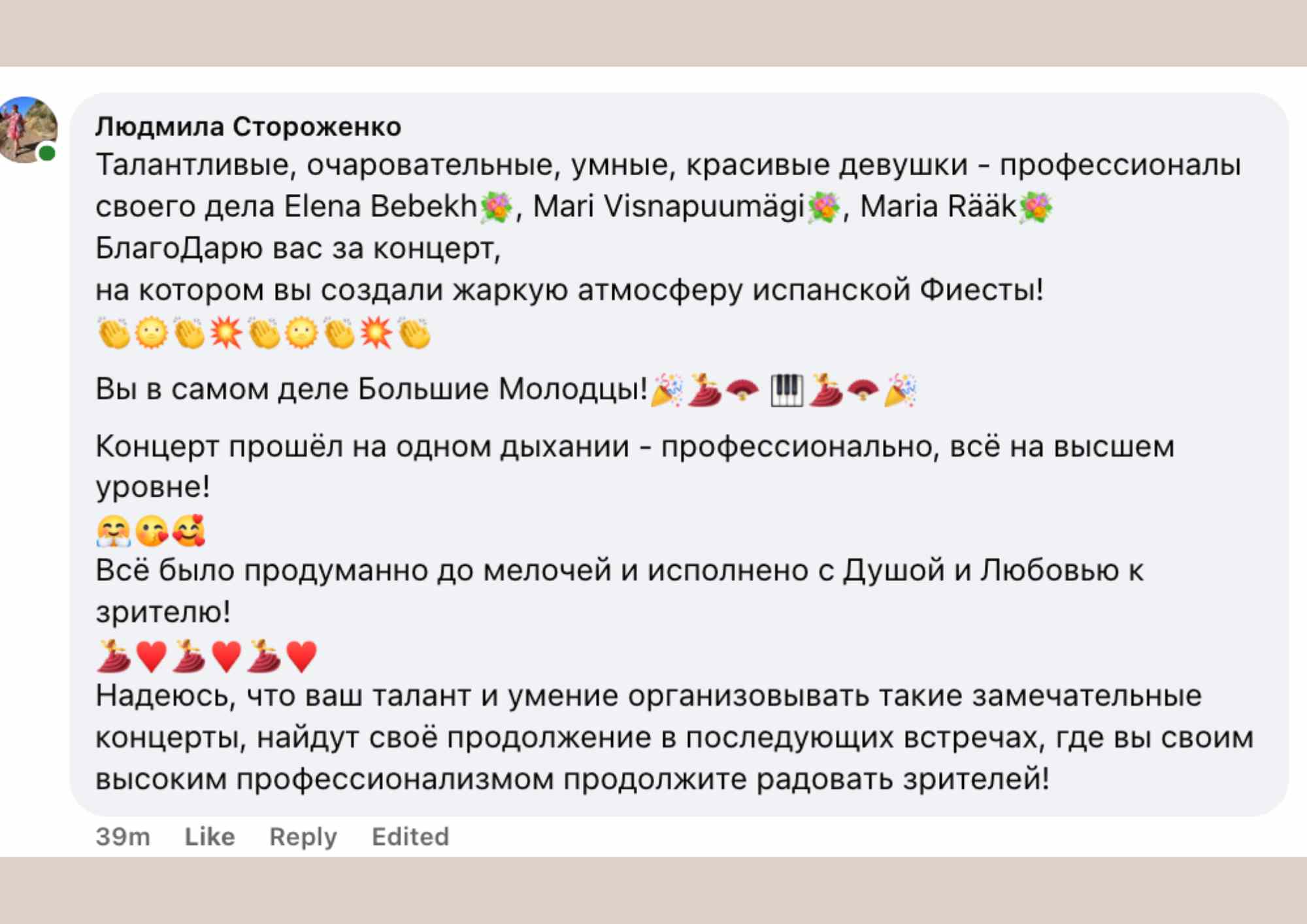
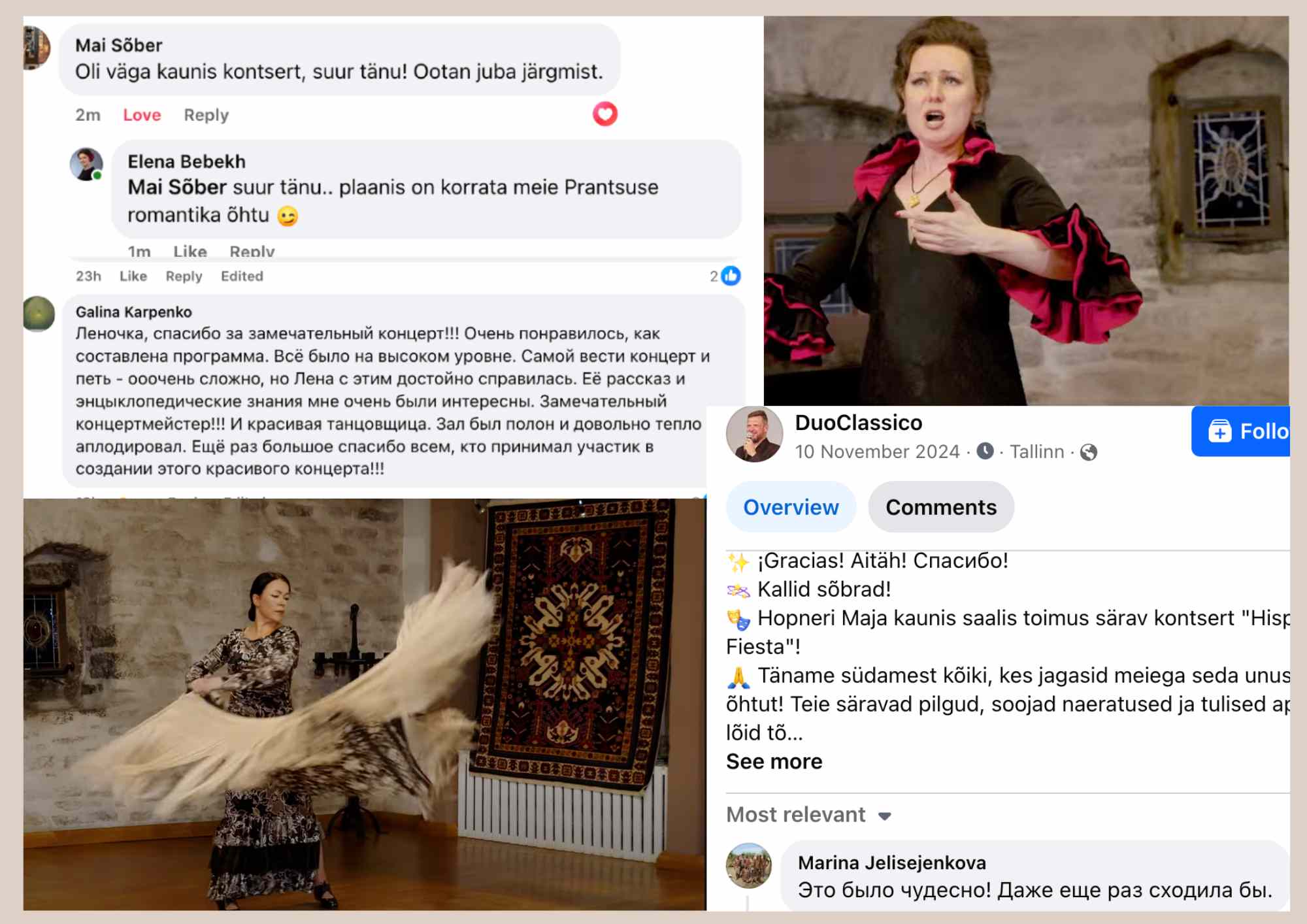
Feedback from FIESTA (Hopner, Tallinn)
SUBSCRIBE TO NEWS AND OFFERS
Follow Along
You can see more news on our facebook Music4U page